
หน้าหลัก
บริการและสินเชื่อต่าง ๆ มากมาย ไม่ว่าจะเป็นเงินกู้นอกระบบ สินเชื่อคนติดแบล็คลิส บัตรเอทีเอ็ม หรือสินเชื่อประเภทอื่นๆ โดยทุกบริการสามารถเข้าถึงได้ผ่ายการลงทะเบียนออนไลน์ นอกจากนี้สามารถเปรียบเทียบข้อมูลต่างๆเพื่อทราบเงื่อนไขที่สำคัญต่อการตัดสินใจได้ดียิ่งขึ้น
ต้องการสมัครสินเชื่อเงินด่วนจากสถาบันในระบบและนอกระบบที่มีความน่าเชื่อถือ

สมัครแอพเงินด่วนรับเงินสดถึง 2 แสนบาท
อายุผู้สมัคร - 18-65 ปี
เงินเดือนของผู้กู้ - ตั้งแต่ 5000
ร้อยละ - ไม่กำหนดดอกเบี้ย

สมัครกับสมหวังเงินสั่งได้รับเงินสดถึง 1 ล้านบาท
อายุผู้สมัคร - 20-60 ปี
เงินเดือนของผู้กู้ - ตั้งแต่ 6000
ร้อยละ - ตั้งแต่ 15%

ขอยืมเงินทรู 200-300 บาท รู้จักต้องกดอะไร
อายุผู้สมัคร - 18-80 ปี
เงินเดือนของผู้กู้ - ตั้งแต่ 0
ร้อยละ - ตั้งแต่ 0%

สมัครทำทําบัตรเอทีเอ็มใหม่กรุงเทพลายล่าสุดในปี 2567
อายุผู้สมัคร - 20-60 ปี
เงินเดือนของผู้กู้ - ตั้งแต่ 0
ร้อยละ - ตั้งแต่ 0%
ขอสินเชื่อไม่เช็คบูโร 2024 ก็รับเงินสดถึง 1 แสนบาท
อายุผู้สมัคร - 18-55 ปี
เงินเดือนของผู้กู้ - ตั้งแต่ 6000
ร้อยละ - ตั้งแต่ 20%

ขอยืมเงินทรู500-5000 กว่าผ่านทรูมันนี่วอลเล็ท
อายุผู้สมัคร - 18-50 ปี
เงินเดือนของผู้กู้ - ตั้งแต่ 6000
ร้อยละ - ตั้งแต่ 28%
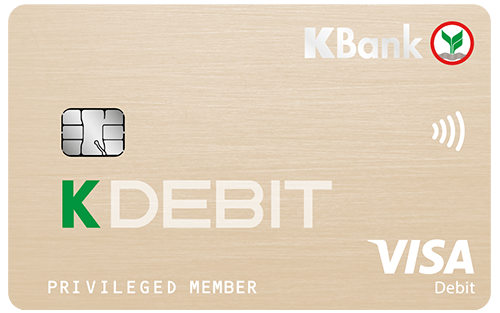
สมัครทำบัตร atm กสิกรลายล่าสุดในปี 2567
อายุผู้สมัคร - 20-60 ปี
เงินเดือนของผู้กู้ - ตั้งแต่ 0
ร้อยละ - ตั้งแต่ 0%

ขอสินเชื่อ uob i cash ก็รับเงินสดถึง 2 แสนบาท
อายุผู้สมัคร - 20-55 ปี
เงินเดือนของผู้กู้ - ตั้งแต่ 8000
ร้อยละ - ตั้งแต่ 18%
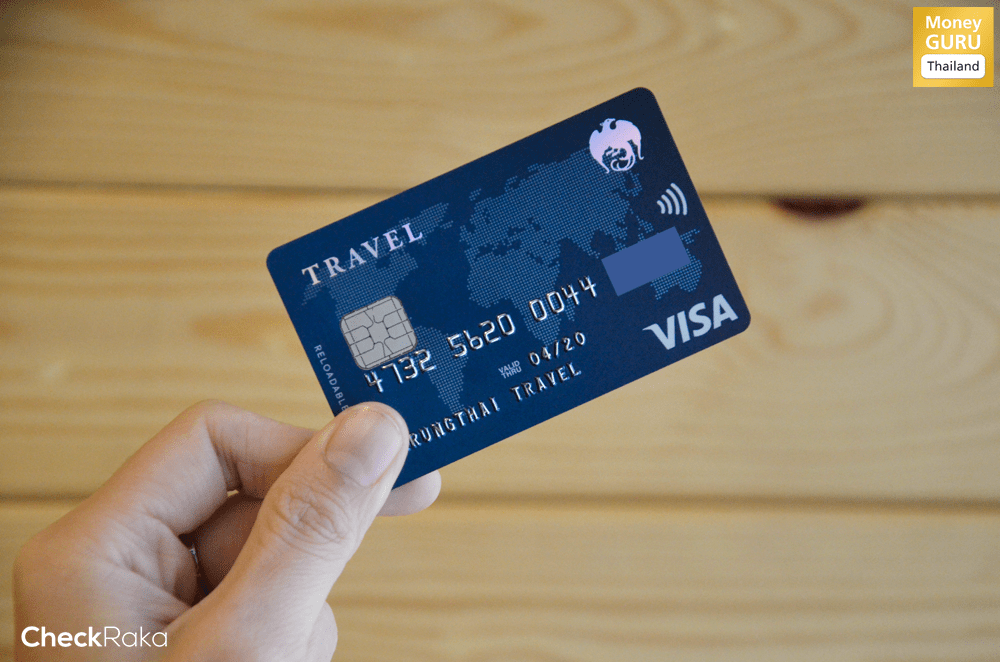
สมัครทำบัตรเอทีเอ็มกรุงไทยลายล่าสุดในปี 2567
อายุผู้สมัคร - 20-60 ปี
เงินเดือนของผู้กู้ - ตั้งแต่ 0
ร้อยละ - ตั้งแต่ 0%
ขอสินเชื่อรถธนาคารธนชาติ ก็รับเงินสดถึง 5 แสนบาท
อายุผู้สมัคร - 20-65 ปี
เงินเดือนของผู้กู้ - ตั้งแต่ 12000
ร้อยละ - ตั้งแต่ 6%

สมัครแอพห้าให้มันนี่รับเงินสดถึง 3 หมึ่นบาท
อายุผู้สมัคร - 18-50 ปี
เงินเดือนของผู้กู้ - ตั้งแต่ 7500
ร้อยละ - ตั้งแต่ 28%
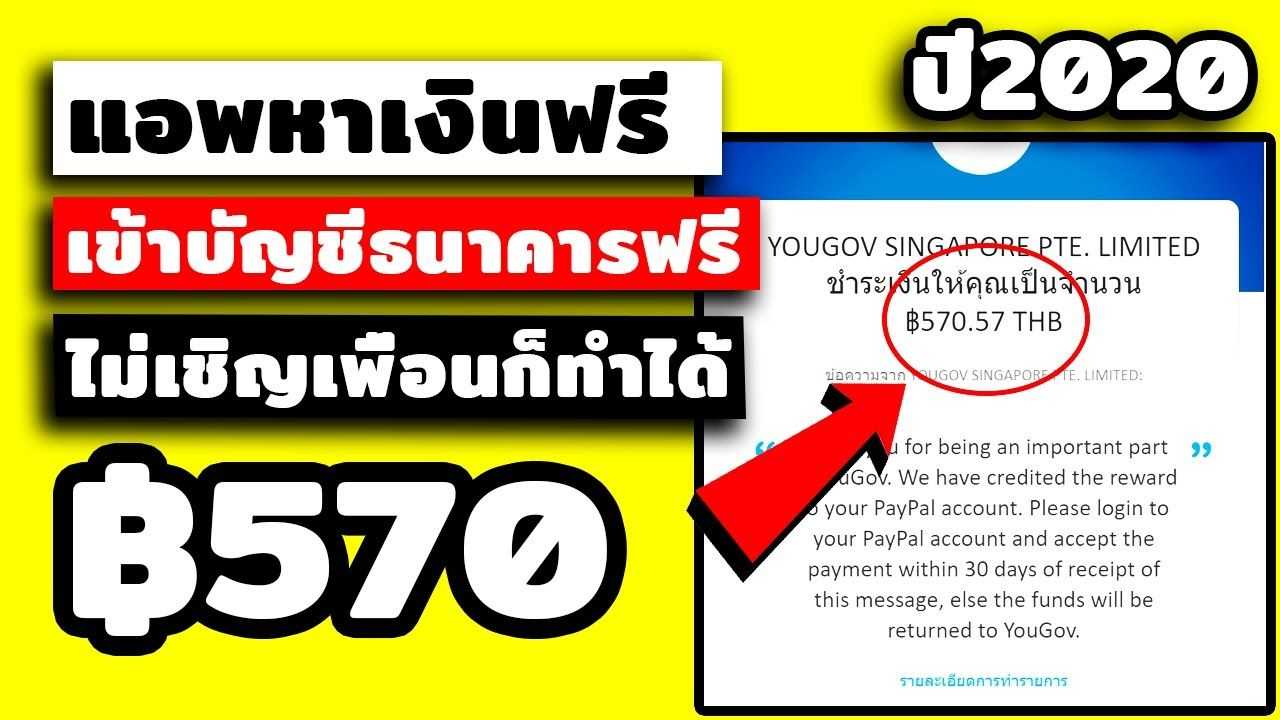
สมัครกับแอพหาเงินรับเงินสดถึง 5 หมึ่นบาท
อายุผู้สมัคร - 18-80 ปี
เงินเดือนของผู้กู้ - ตั้งแต่ 5000
ร้อยละ - ไม่กำหนดดอกเบี้ย
อยากขอเงินกู้ง่าย ๆ ทำได้ด้วย 5 ขั้นตอน
การขอเงินกู้นับเป็นหนึ่งในตัวเลือกหลักที่หลาย ๆ คนต้องใช้บริการ ไม่ว่าคุณจะเป้นใครก็ตาม การจะซื้อสิ่งของ จ่ายค่าบ้านราคาแพง ทำธุรกิจ หรือเอาเงินไปลงทุน รวมถึงทำตามความฝัน สิ่งเหล่านั้นล้วนแล้วแต่ใช้เงินลงทุนทั้งสิ้น บ่อยครั้งที่เงินเก็บอย่างเดียวมันไม่เพียงพอที่จะตอบสนองความต้องการต่าง ๆ ของเราได้ ทำให้การกู้เงิน หรือการขอกู้สินเชื่อธนาคารกลายเป็นอีกหนึ่งตัวเลือกสำหรับการใช้ชีวิต ซึ่งวันนี้เราจะพาไปดูเทคนิคขอเงินกู้อย่างง่ายดาย เตรียมตัวมาดี ก็มีแต่คนอยากอนุมัติให้คุณ
เหตุผลที่ธนาคาร หรือสถาบันการเงิน มักไม่ปล่อยเงินกู้ง่าย ๆ
เหตุผลเดียวเลยที่ทำให้ธนาคาร หรือสถาบันการเงินต่าง ๆ มักจะต้องคัดคนก่อนเสมอ ให้รู้ว่าคนนี้เหมาะสมมั้ย ควรให้กู้รึเปล่า ต้นเหตุมาจากการขาดระเบียบวินัย และความไม่สัจจะของคนนั่นเอง ถ้าหากคนทุกคนพร้อมใจที่จะคืนเงินอย่างตรงเวลา ครบกำหนดก็คืนทันที แบบนี้สถาบันการเงินไหน ๆ ก็พร้อมจะปล่อยสินเชื่อให้แน่นอน แต่เพราะคนส่วนใหญ่มักขาดความรับผิดชอบ ไม่ยอมจ่ายตามกำหนดเวลา ถึงวันครบกำหนดก็ไม่จ่าย ทำให้คนปล่อยสินเชื่อต้องมีการคัดคนประวัติดี ถึงจะให้เงินกู้ได้
ประวัติทางการเงินที่ดีเป็นแบบไหน กู้เมื่อไหร่ก็ผ่านแน่แค่ทำตามนี้
-
มีการเดินบัญชี รายรับมากกว่ารายจ่าย
บัญชีที่ไม่มีการเดินเงิน หรือมีเงินนิ่งอยู่ในบัญชีแบบนั้นอย่างเดียว ธนาคารจะมองว่าไม่ใช่บัญชีที่ดี เพราะเป็นเงินที่นิ่งเกินไป ธนาคารไม่มั่นใจว่าคุณจะถอนเงินบัญชีนั้นออกมาเมื่อไหร่ ต้องใช้ตอนไหน ซึ่งต่างกับบัญชีที่มีการเดินเงินตลอด ทั้งเงินเข้า เงินออก รายรับ รายจ่าย มีการเคลื่อนไหวเสมอ แบบนี้ธนาคารจะมั่นใจมากกว่า ที่สำคัญหากบัญชีของคุณมีรายรับมากกว่ารายจ่าย มีรายรับเพิ่มมากขึ้นเรื่อย ๆ อยู่เป็นประจำ แบบนี้แหละธนาคารจะมองว่าคุณเครดิตดี และมีโอกาสจะให้ยืมเงินกู้ ขอสินเชื่อเงินกู้ตรงนี้ได้ตามที่ต้องการ
-
ไม่เคยผิดนัดชำระหนี้
ถ้าคุณเคยกู้ยืมเงินด่วน กู้สินเชื่อ ยืมเงิน หรืออะไรก็แล้วแต่ ที่มีการบันทึกในระบบเครดิตบูโร หรือพูดง่าย ๆ คือการยืมเงินกู้เงินในระบบ คุณจะต้องมีประวัติการชำระหนี้อยู่ในนั้นแน่นอน ซึ่งตรงนี้แหละที่ธนาคาร หรือสถาบันการเงินจะตรวจสอบทุกครั้งว่าคุณเคยมีประวัติเสียมั้ย เช่น กู้เงินไปแล้วแต่กลับไม่จ่ายตามกำหนด ผิดนัด ผัดวันประกันพรุ่ง สิ่งเหล่านั้นต่อให้คุณเปลี่ยนธนาคาร ใช้บริการเจ้าอื่น เค้าก็ยังเช็กได้อยู่ดี และถ้าคุณติดเครดิตบูโรเบี้ยวหนี้ไม่จ่ายเงินแม้แต่เจ้าเดียว เค้าจะมองว่าคุณเครดิตไม่ดี และไม่ให้คุณกู้แน่นอน ทำให้อาจจะต้องไปพึ่งสินเชื่อเพื่อคนติดแบล็คลิสดังนั้นถ้าอยากกู้ง่าย ๆ ต้องไม่เคยผิดนัดใครทั้งสิ้น
-
มีบุคคลค้ำประกัน
บุคคลค้ำประกัน หรือหลักทรัพย์ค้ำประกันจะช่วยคุณได้มากโดยเฉพาะอย่างยิ่งถ้าคุณต้องการเงินด่วนฉุกเฉินวันนี้ เพราะธนาคารหรือสถาบันการเงินจะมองว่าบุคคลเหล่านั้น หรือสินทรัพย์เหล่านั้นสามารถใช้ชำระแทนเงินได้ ซึ่งจะทำให้ธนาคารมั่นใจมากขึ้น อีกทั้งยังทำให้สถาบันการเงินต่าง ๆ รู้ว่าคุณไม่หนี้เค้าไปไหนแน่นอน หรือต่อให้หนี ก็ยังมีสิ่งเหล่านี้เอาไว้เป็นตัวประกัน ทำให้เค้าได้เงินคืนชัวร์แบบไม่ต้องกลัวชิ่ง
-
เคยกู้มาแล้วหลายครั้ง
หลายคนชอบคิดว่าถ้าคุณไม่เคยกู้ที่ไหนมาก่อนเลย ธนาคารจะชอบ เพราะประวัติขาวสะอาด ตรงนี้ผิดถนัด เพราะธนาคารจะมองว่าการขอเงินกู้เงินด่วนของคุณไม่มีความมั่นใจอะไรได้เลย ยิ่งถ้ากู้ครั้งแรกก็กู้เงินหลักแสน หลักล้าน ยิ่งแทบจะเป็นไปไม่ได้ เพราะเค้าไม่รู้ว่าประวัติการชำระเงินของคุณเป็นยังไง คุณพร้อมแค่ไหน มาถึงก็กู้เลย แบบนี้มันวัดดวงกันเกินไป ดังนั้นอาจทำให้คุณพลาดไปอย่างน่าเสียดาย ถ้าอยากกู้ง่าย ๆ ต้องเริ่มจากอะไรเล็ก ๆ น้อย ๆ เช่น ทําบัตร atm เปิดบัตรกดเงินสด หรือสมัครบัตรเครดิต ลองผ่อนสินค้า ผ่อนเงินคืนเล่น ๆ ขำ สร้างเครดิตให้กับตัวเอง หากทำได้ตามนี้ ไม่ผิดนัดชำระ ทำบ่อย ๆ การกู้ครั้งต่อ ๆ ไปจะได้เงินกู้ง่ายกว่าเดิมแน่นอน
-
เลือกใช้บริการเจ้าที่ปล่อยง่าย
ถึงแม้จะเป็นเงินกู้ในระบบเหมือนกัน แต่ความง่าย หรือความเคร่งในการตรวจสอบสิ่งต่าง ๆ มันไม่เหมือนกัน เงินกู้ในระบบบางเจ้าอาจตรวจสอบเยอะ ขอเอกสารมาก ทำให้คนที่อยากจะยืมเงินด่วน 300 ยืมเงิน 1000 ด่วน หรือต้องการเงินฉุกเฉินไม่มาก เค้าก็ไม่อยากกู้ เพราะมันเสียเวลา ยุ่งยาก ไปกู้เงินด่วน นอกระบบ ดีกว่า ง่ายกว่ากันเยอะ แต่ในความเป็นจริงเงินกู้ในระบบมีตัวเลือกให้คุณเยอะมาก ไม่ว่าจะเป็น เงินกู้ออนไลน์ สถาบันการเงินต่าง ๆ สินเชื่อเงินด่วน ทันใจเองก็มีเหมือนกัน สำคัญที่สุดคือ คุณต้องหาแหล่งเงินกู้เหล่านั้น และทำตามคุณสมบัติของเค้าให้ได้ก็พอ ก็จะทำให้การขอเงินกู้ครั้งนี้ง่ายขึ้นกว่าเดิมมากทีเดียว
หากใครอยากกู้เงิน หรือขอเงินกู้ง่าย ๆ ให้ทำตาม 5 ขั้นตอนนี้ได้เลย อย่าลืมเช็กคุณสมบัติตัวเองอีกครั้งก่อนการสมัครสินเชื่อเงินกู้เจ้าไหนก็ตาม เพราะแต่ละสินเชื่อก็จะมีสิ่งที่ต้องการต่างกัน ดังนั้นถ้าคุณไม่เช็กให้ดี และไม่ตรงกับคุณสมบัติที่เค้าต้องการนอาจทำให้เสียเวลาฟรี รอเก้อ และกู้เงินไม่ทันใช้ เช็กให้ดีว่าเงินเดือนถึงตามเกณฑ์หรือไม่ วันทำงานครบตามที่เค้าอยากได้มั้ย และเอกสารสำคัญอย่าให้ขาด เท่านี้ก็จะเพิ่มโอกาสขอสินเชื่อเงินกู้ได้มากแล้ว
ข่าวและบทความ
ใครติดเครดิตบูโรต้องอ่าน! กับข

5 ทางออกสุด Cool ของผู้ที่เดือ
เปิดบัญชีออมสิน แนะนำวิธีเปิดบ
